
Shape and size
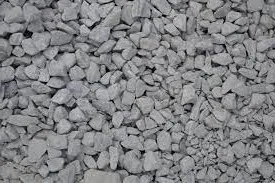
- Shape and Size of the aggregates decide the cement required for concrete. This means if shape and size of the aggregates are good then concrete will need optimum cement hence concrete will be economical.
- A larger maximum size of aggregate reduces the quantity of cement required.
- Size and shape directly impact strength of the concrete as well. Workability of fresh concrete, Segregation control all these can be achieved with good quality of aggregates.
- Flaky or elongated aggregates may lead to segregation.
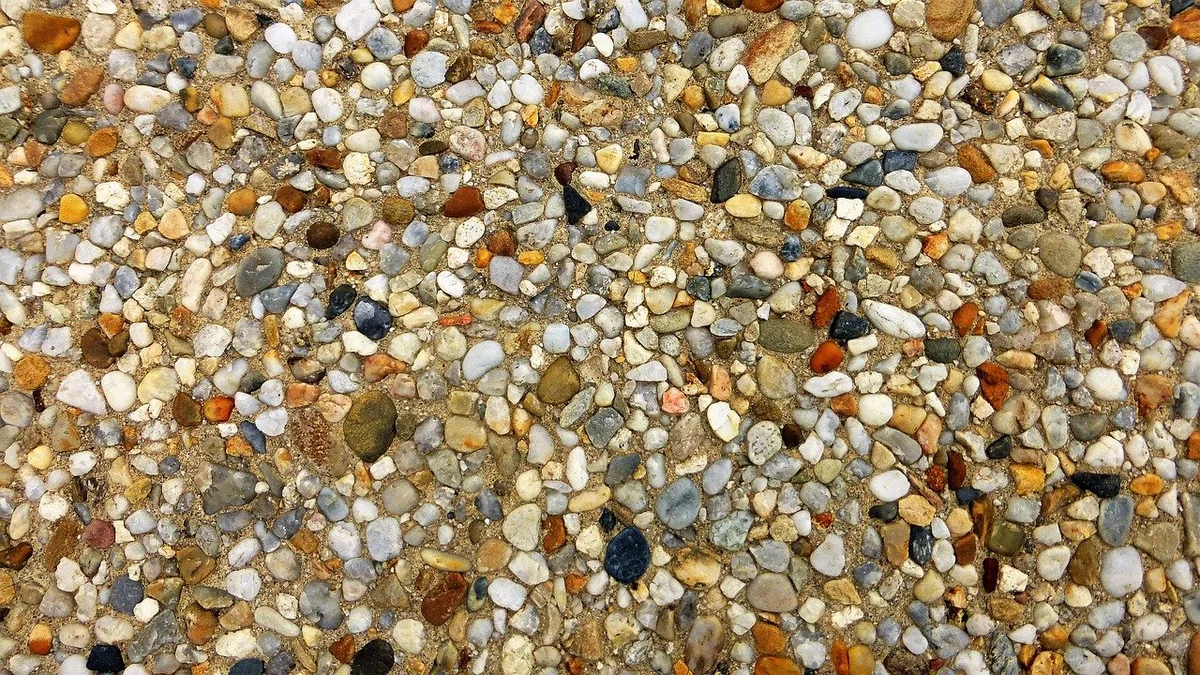
- Rounded shapes of aggregates will help to maintain water cement ratio for concrete

Aggregate densities in your mix
Concrete Calculator All in One has a material library with editable densities and prices, plus IS and ACI mix design tables.
Try the app
Texture
- Texture of the surface is also an important property of the aggregates. Texture of the surface can be Glassy, Smooth, Granular, Crystalline, Or Porous.
- Texture or surface of the aggregates have significant impacts on requirement of water for Concrete making.
- Workability of the fresh concrete is also impacted by the texture of the aggregates.
- Rough texture aggregates are found to form stronger bonds with cement paste than other textured aggregates due to the presence of voids and pores.
- On the other hand, glassy, smooth aggregates absorb less water than rough aggregates which may influence the water requirement as mentioned above.
Specific Gravity
- The ratio of weight of oven dried aggregates maintained for 24 hours at a temperature of 100 to 110 °C, to the weight of equal volume of water displaced by saturated surface-dry aggregate is known as specific gravity of aggregates.
- Specific gravities are primarily of two types.
- Apparent specific gravity
- Bulk specific gravity
- Specific gravity is a means to decide the suitability of the aggregate. Low specific gravity generally indicates porous, weak and absorptive materials, whereas high specific gravity indicates materials of good quality.
- Specific gravity of major aggregates falls within the range of 2.6 to 2.9.
- Specific gravity values are also used while designing concrete mix.
Bulk Density
- Bulk density, also called unit weight or unit mass, is the density of the aggregate at a certain degree of compaction.
- It is measured in kg/Cum.
- Bulk Density of the aggregates depends on the particle size distribution and shape of particles.
Porosity
- Porosity of the aggregates may be formed at the time of aggregate formation.
- Porous aggregates require water for themselves to fill the pores, hence concrete made with porous aggregates requires more water.
- Porous aggregates are good in binding.
Water absorption
- Water absorption or water content of the aggregates decides the water required for the concrete formation.
- Water content may change the physical properties like Impact, Crushing and abrasion value of aggregates.
- Less water needs to be added to the mix for aggregates having more water content.