
What is Aggregate?
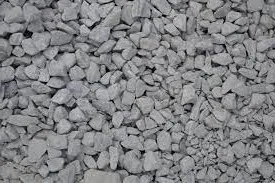
Aggregate is a broad category of coarse- to medium-grained particulate material used in construction, including sand, gravel, crushed stone, slag, recycled concrete and geosynthetic aggregates. The aggregate serves as reinforcement to add strength to the overall composite material.

Concrete quantities on site
Construction Calculator A1 covers concrete volume and mix design, plus brick, steel and plaster quantities, and works offline.
Try the app
Why Use Aggregates in Concrete?
- Aggregates make up some 60–80% of the concrete mix. They provide compressive strength and bulk to concrete.
- Aggregates in any particular mix of concrete are selected for their durability, strength, workability and ability to receive finishes.
- It reduces cost of the concrete as its price is less than cement.
- It binds with concrete and asphalt easily.
- Aggregates reduce shrinkage in concrete
- It helps to maintain weight of the concrete
- Larger aggregate diameters reduce the quantity of cement and water needed.
Aggregate Classification
Aggregates are classified by size, specific gravity, availability, shape and texture.
Size
- Fine aggregates:
- Sand and crushed sand come under fine aggregates
- Size is less than 4.75mm
- It makes up 35%–45% of the total aggregate by mass or by volume
- Coarse aggregates:
- Gravel and crushed stone are Coarse aggregates.
- Size is more than 4.75mm
- Its size generally varies between 9.5mm and 40mm
Specific Gravity
- Normal Weight Aggregates:
- They are the most common aggregates
- Sand, gravel and crushed stone are examples of it
- Concrete made with them generally weighs 2200–2400 kg/m³
- Lightweight Aggregates:
- Expanded shale, clay, slate and slag are examples of lightweight aggregates
- Structural lightweight concrete made with them weighs 1350–1850 kg/m³
- Heavyweight Aggregates:
- Barite, Limonite, Magnetite, Iron are some examples of Heavyweight aggregates.
- It helps to produce High Density Concrete which can weigh up to 6400 kg/m³.
- Used for radiation resistance.
Availability
- Natural Gravel:
- River sand, sea gravel, sea sand, desert gravel and desert sand are some examples of natural gravel.
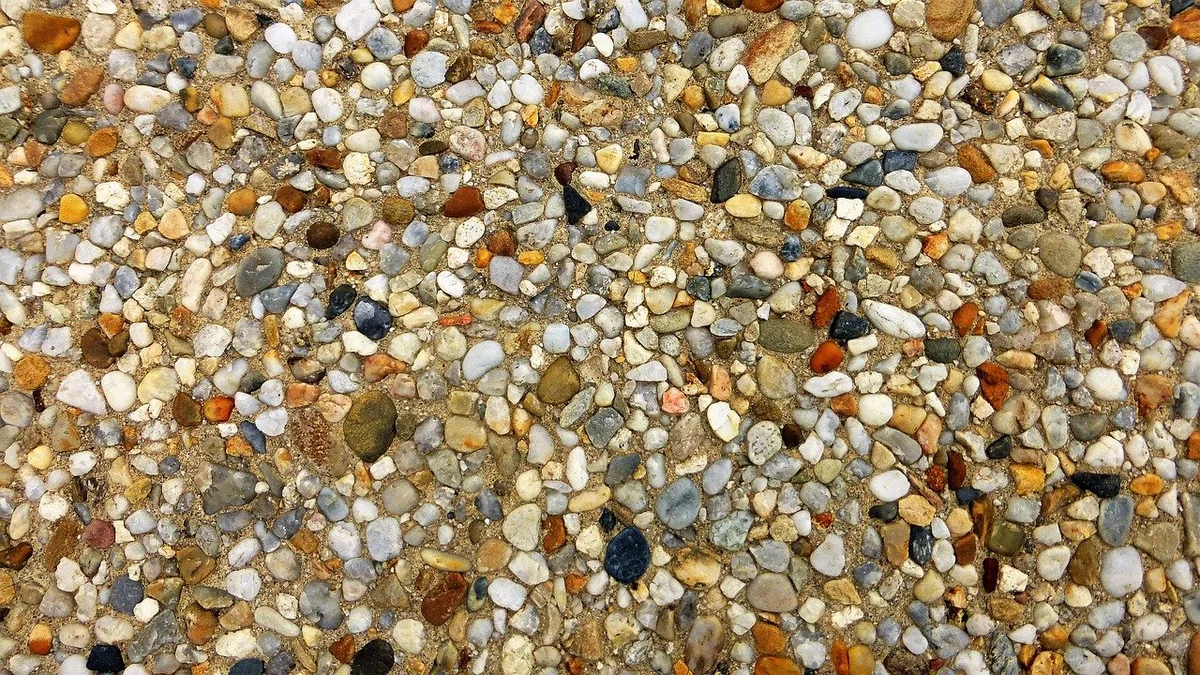
- These are round in nature
- Crushed aggregates:
- Crushed sand and crushed stones are not natural Gravels
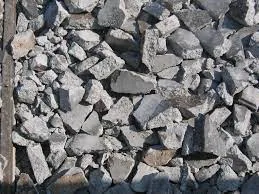
- Angular and rough in nature.
Shape
- Rounded: Round in shape. River sand and sea stones are examples of it
- Irregular or Partly rounded: Pit sand is an example of it
- Angular: Crushed sand and crushed rocks
- Flaky: Laminated rocks
Texture
- Glassy: Black Flint
- Smooth: Slate, Marble
- Granular: Sandstone
- Crystalline: Basalt, Gabbro
- Porous: Pumice, trass