
Concrete is the most important part of every construction: buildings, roads, power plants, tunnels, bridges, highways, gutters, airports — everywhere concrete is a must. Concrete is always designed according to its needs. This is why concrete is categorized into types. Types of concrete are based on its ingredients’ nature, its strength or properties, or where it is prepared to be used.
Plain or Ordinary Concrete
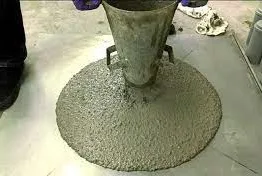
It is the most commonly used concrete in the construction industry. The main ingredients in this concrete are Cement, Sand, Aggregates and water. Density of this concrete is about 2200 – 2500 Kg/CUM. Compressive strength is about 200–500 kg/cm². Tensile strength is about 20–50 kg/cm².

Reinforced cement concrete
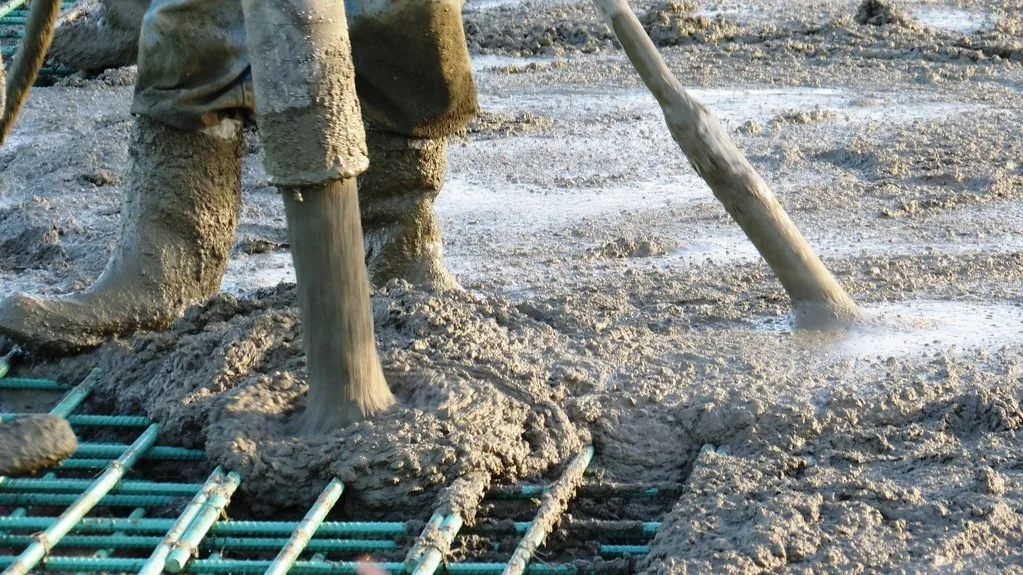
Most Commonly called as RCC. Steel reinforcement is generally provided in this concrete to increase the tensile strength of the concrete, as concrete alone is not good enough in tension. High rise buildings, Bridges are most common applications of RCC.
Lightweight concrete
This concrete has low density. Any concrete whose density is less than 1920 Kg/CUM is called as lightweight concrete. Lightweight aggregates are used to form this type of concrete. It has low thermal conductivity. Long span bridges or long span decks are the most common application for this type of concrete.
High Density concrete
This is also called as heavyweight concrete. Density of these concretes is 3000-4000 Kg/Cum. Heavy rocks or heavy aggregates are used to form this type of concrete. Atomic power plant is one application of High Density concrete as it is good to prevent radiation.
Precast concrete
Various shapes of concrete moulded in the factory site. Curb Stone, Poles, Lintels are examples of precast concrete. They are cast in factories and shifted to construction site after it gets hard. As concrete is easy to mould into any shape, decorative concrete elements are also examples of precast concrete.
Prestressed Concrete
It is a type of reinforced concrete. In this concrete, the steel wires are tensioned before the concrete is placed. Such tensioned wires are held firm at each end while the concrete mix is placed. The result is that when the concrete sets and hardens and the wires are released, the whole concrete member is put into compression. Some applications are like Bridges, long span roofs, Most structures with heavy dead load.
Air Entrained Concrete
Air entrainment is the intentional creation of tiny air bubbles in concrete. A concrete maker introduces the bubbles by adding to the mix an air entraining agent, a surfactant (surface-active substance, a type of chemical that includes detergents). The air bubbles are created during mixing of the plastic (easy flowing, not hardened) concrete, and most of them survive to be part of the hardened concrete. The primary purpose of air entrainment is to increase the durability of the hardened concrete, especially in climates subject to freeze-thaw; the secondary purpose is to increase workability of the concrete while in a plastic state.
Glass Concrete
This is a type of concrete in which recycled glass is used. The glass increases the aesthetic appeal of the concrete. This is also good in long run strength and good for thermal insulation.
Rapid Hardening Concrete
This concrete hardens very fast; this is why it is used in underwater construction or in road repair work. It can be applicable where need is to set concrete fast. Fast-setting admixtures are used to form this concrete.
Asphalt Concrete
Asphalt and aggregates mixed together to form this type of concrete. It is used in the construction of roads and highways. Airport roads are also an important application. They can be hardened in just an hour. That is the reason for its vast usage in roads.
Lime Concrete
This was an old form of concrete. In this concrete lime is used to form a binding with aggregates and soil. It was used before cement was invented. In today’s world lime concrete is used in floors and domes.
Roller Compacted Concrete
This concrete is used in road construction as filling material. Or it can be used in any structure where filling material should have good strength. It is a lean concrete that can be rolled using roller or heavy loads. Quantity of cement is very less in this type of concrete.
Stamped Concrete
This is ordinary concrete with some differences. These are used mostly for aesthetic or architectural purposes. A stamp of different shape and design is placed on the concrete structures when they are in their plastic state to acquire an appealing look design. Colors can be used for more attractive designs.
Pumped Concrete
This is a concrete which can be pumped. It is generally used in high-rise building, where concrete can be pumped from ground to required elevation. This concrete is workable enough for pumping. Admixtures that improve workability are used for preparation of this concrete.
Vacuum Concrete
In this concrete more water is added to concrete before casting in the formwork. Then the excess water is removed using a vacuum pump. This is why it is called as vacuum concrete. This is done to achieve early strength of the concrete.
Permeable Concrete
As name indicates permeable concrete allows water to pass through it. This concrete has 15-20% voids, which helps to pass water through it.
Shotcrete
This is an ordinary concrete. Variation is in placing the concrete. It is placed with the help of high pressure nozzle. This process gives compaction and strength at the same time. Securing loose, falling rock on mountain slopes and inside tunnels is the most common application of this type of concrete.
Ready mix Concrete
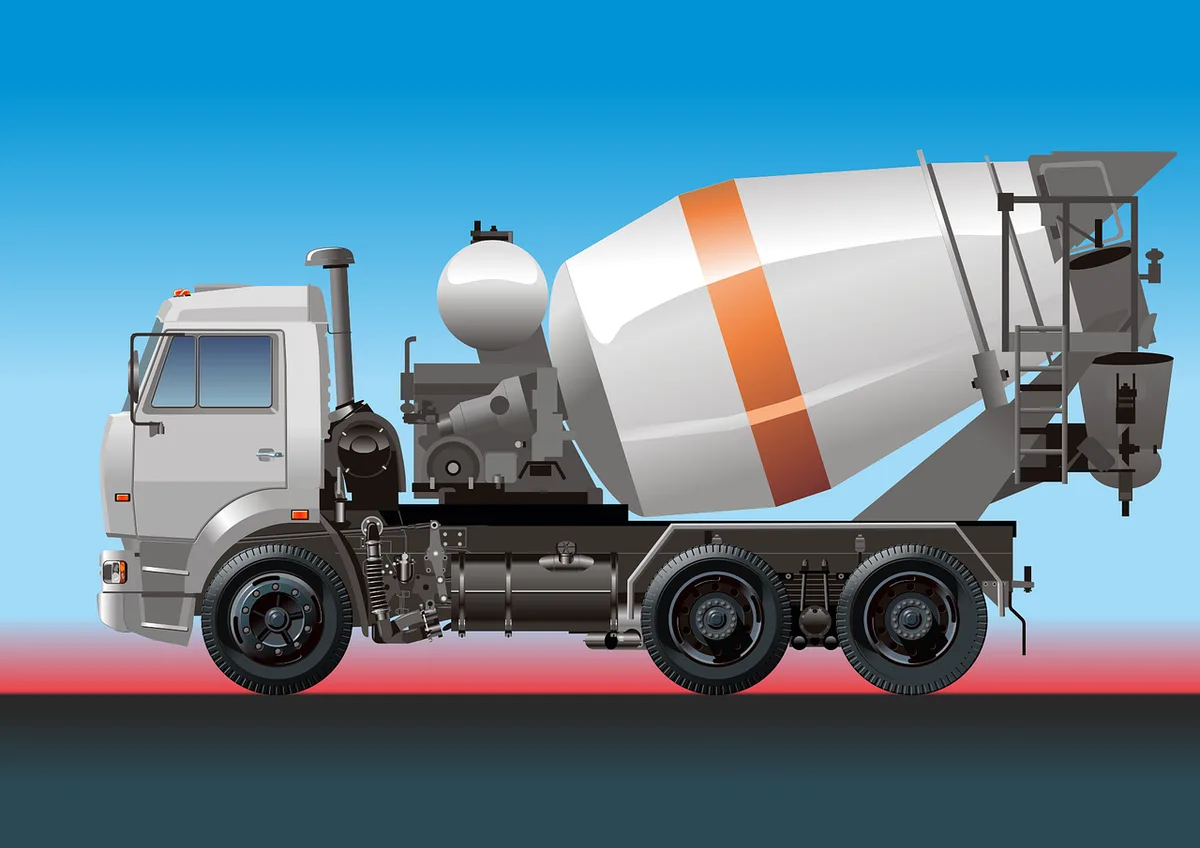
This concrete is prepared at the concrete batching plants and transported at the construction site using truck mounted concrete mixers. Plant and site should not be too far apart, as if the initial setting of the concrete starts before it is placed, it will affect the strength of the concrete. Admixtures are used in concrete to increase setting time of the concrete.
Fiber Reinforced Concrete
It is also called as FRC. Fibers 10 to 20 microns in diameter and 10 to 50 mm in length are used in this type of concrete. Fiber material can be steel or plastic. It helps to increase resilience, tensile strength, flexibility of concrete. It resists the cracks formation in the concrete.
Self Consolidating Concrete
It is also called as self compacting concrete. If formwork is very slender or reinforcement used is very dense, then chances of honeycombing increase. This type of concrete doesn’t need compaction to remove air voids in concrete. Workability of this concrete is very high.
Fly ash Concrete
Fly ash can be used as partial substitute to the fine aggregates or cement in the concrete. It can replace cement up to 20%. It can be economical in use and Fly ash can be used well, as it is a waste product in the thermal power plant. Fly ash particle must be finer than cement.
High Strength Concrete
If strength of the concrete is higher than 40Mpa then it is called as high strength concrete. High strength concrete is also called as high performance concrete. It also has low shrinkage and high strength. It is used where high strength is required like heavy structure and structure which has heavy dead and live load, Like bridges.
Silica Fume Concrete
Silica fume is a byproduct of the production of silicon and ferrosilicon alloys. Silica fume is used as admixture in the concrete to increase strength of the concrete. It gives higher compressive and flexural strength to the concrete. It gives lower workability to fresh concrete and improves cohesiveness. It is used in Highrise buildings, Parking lots, Nuclear waste storage facilities.
Ferro Cement Concrete
Ferro cement concrete should not be confused with fiber concrete. Ferro cement consists of closely spaced wire-meshes which are impregnated with a rich mix of cement mortar. Usually, 0.5 to 1.0 mm diameter steel wires are formed into meshes. Mortar 1:2 to 1:3 with a water-cement ratio of 0.4 to 0.45 is poured into the form-work with fabricated steel by using layers of the wire mesh. The steel content of this concrete will be as high as 300 to 500 kg/m³ of mortar. As the material consists of a large percentage of steel, it has high ductility and tensile strength.