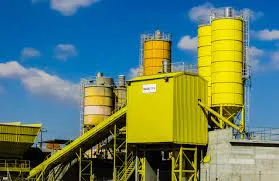
Concrete was traditionally mixed manually. It consumed a lot of manual effort and time. Precision was also not up to the mark. Currently concrete is mixed mechanically using concrete mixers. Concrete mixers are mechanical devices capable of preparing concrete mixtures of varying strength precisely as well as quickly. Concrete mixers can mix concrete on site or off the site.
There are various types of concrete mixers which are mentioned below,
Batch Mixer
As name indicates Concrete Batch mixers mix a batch at a time. Batch mixers have drum mixers or pan mixers. These concrete mixers are used for small-medium size concrete requirements. These are most commonly used concrete mixers.
Some further types of Batch Mixers,
- Drum Mixers: – In this type of Batch mixers concrete ingredients are mixed in drum to prepare concrete. Some more types of Drum Mixers,
- Tilting Drum Mixers: Most commonly used mixer for small size concrete requirements. In Tilting Drum Mixers drum can be tilted to prepare and pour concrete. It can turn downward to pour and tilt upward while mixing concrete. These mixers are used to prepare concrete on site. These drums have only one opening, for taking in ingredients and pouring concrete.
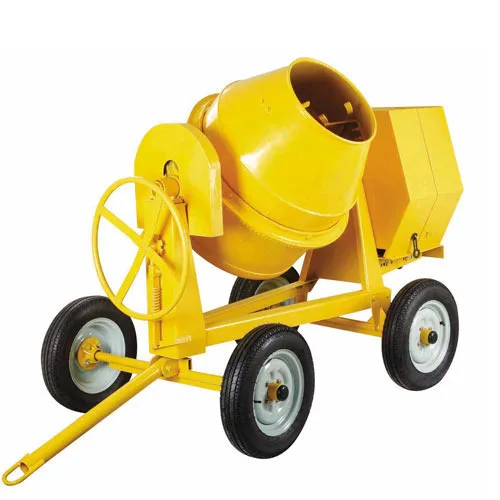
- Non Tilting Drum Mixers: The drum of these mixers does not tilt. It rotates about a horizontal axis. The drum has two openings. One opening is used for intake of concrete ingredients and other is used for pouring the concrete. These mixers can create high grades concrete. It can prepare and discharge concrete at low speed. These are used in small projects. The drum rotates in one direction in this case.
- Reversing Drum Mixers: These mixers are quite similar to the Non Tilting Drum Mixers. It also has two openings, one for intake of ingredient and other for pouring concrete. In these mixers, drum rotates in one direction while mixing the concrete and in the opposite direction while pouring the concrete. Two different set of blades are arranged for mixing and discharging. They are suitable for dry concrete mixes.
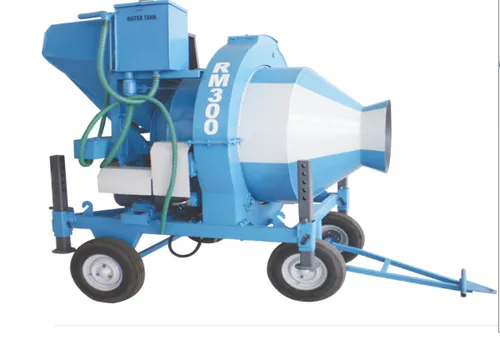
- Tilting Drum Mixers: Most commonly used mixer for small size concrete requirements. In Tilting Drum Mixers drum can be tilted to prepare and pour concrete. It can turn downward to pour and tilt upward while mixing concrete. These mixers are used to prepare concrete on site. These drums have only one opening, for taking in ingredients and pouring concrete.
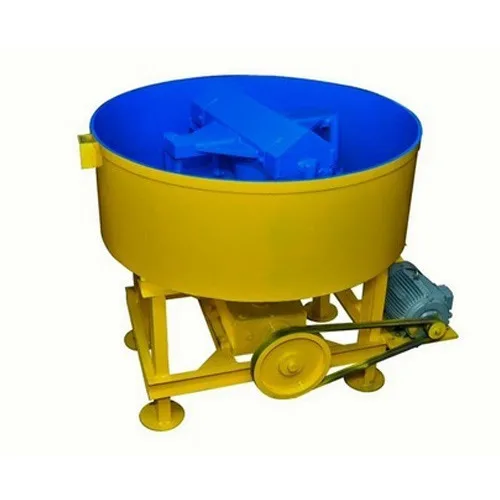
- Pan Type Concrete Mixers: These Mixers have cylindrical pan instead of drums. These Pan rotates at vertical axis to mix ingredients to form concrete. Just like drums it also has blades which helps in mixing. There are two types of pan concrete mixers: in one the blades rotate, and in the other the blades are fixed and the pan rotates about a vertical axis. Both have an opening at the bottom which can be opened to pour concrete after concrete mix is ready. Ingredients intake is from the top of the pan. These are most efficient mixers in pan type mixing. It can discharge concrete at high speed and gives precision in work. These can be used for large size concrete works.

Continuous Mixer
These mixers are used in large scale projects. It continuously produces concrete without interruption. Loading of ingredients, mixing and unloading concrete is continuous in these type of concrete mixers. These have separate feeder for ingredients feeding, Attached mixer for mixing concrete and an unloading system to pour concrete. It can be used in very large projects like, High rise buildings, Dams and bridges construction, etc.