
What is the cover block?
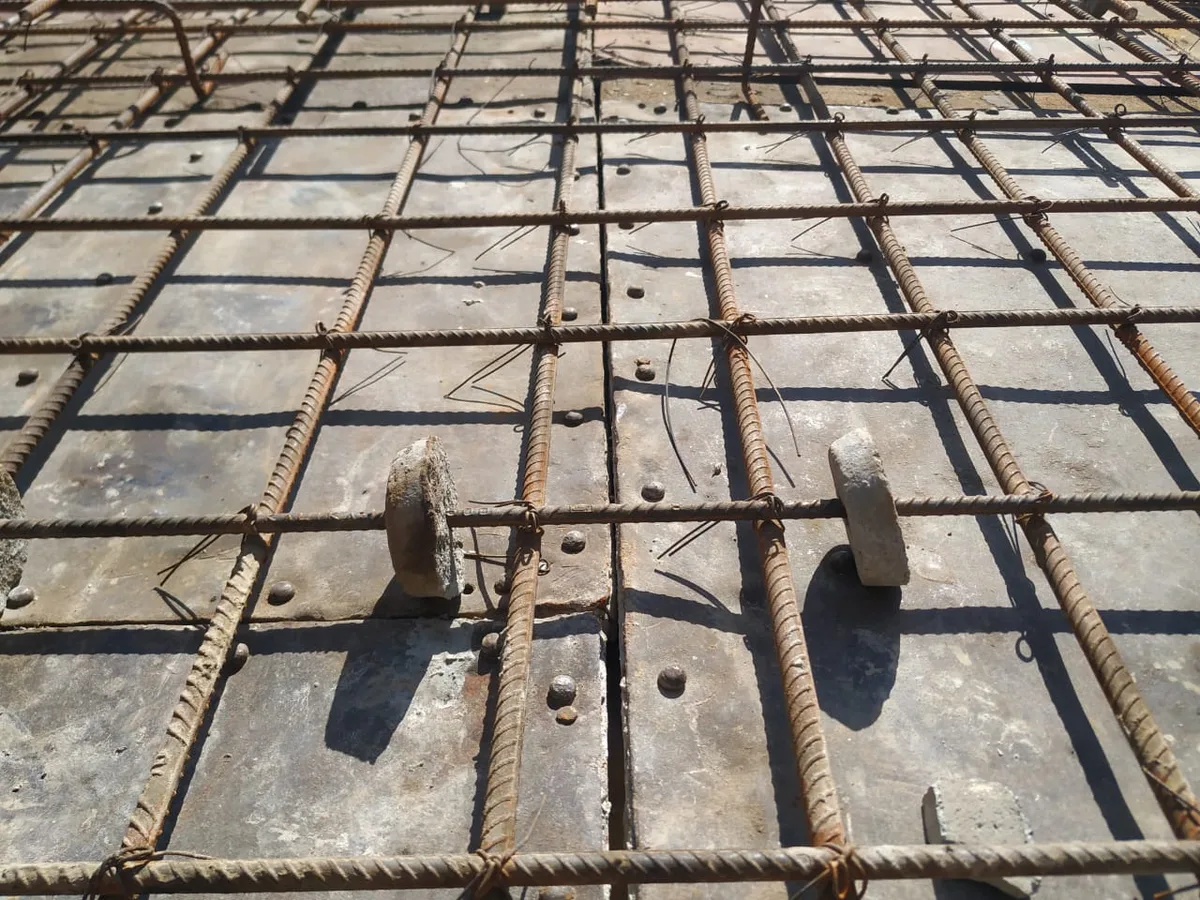
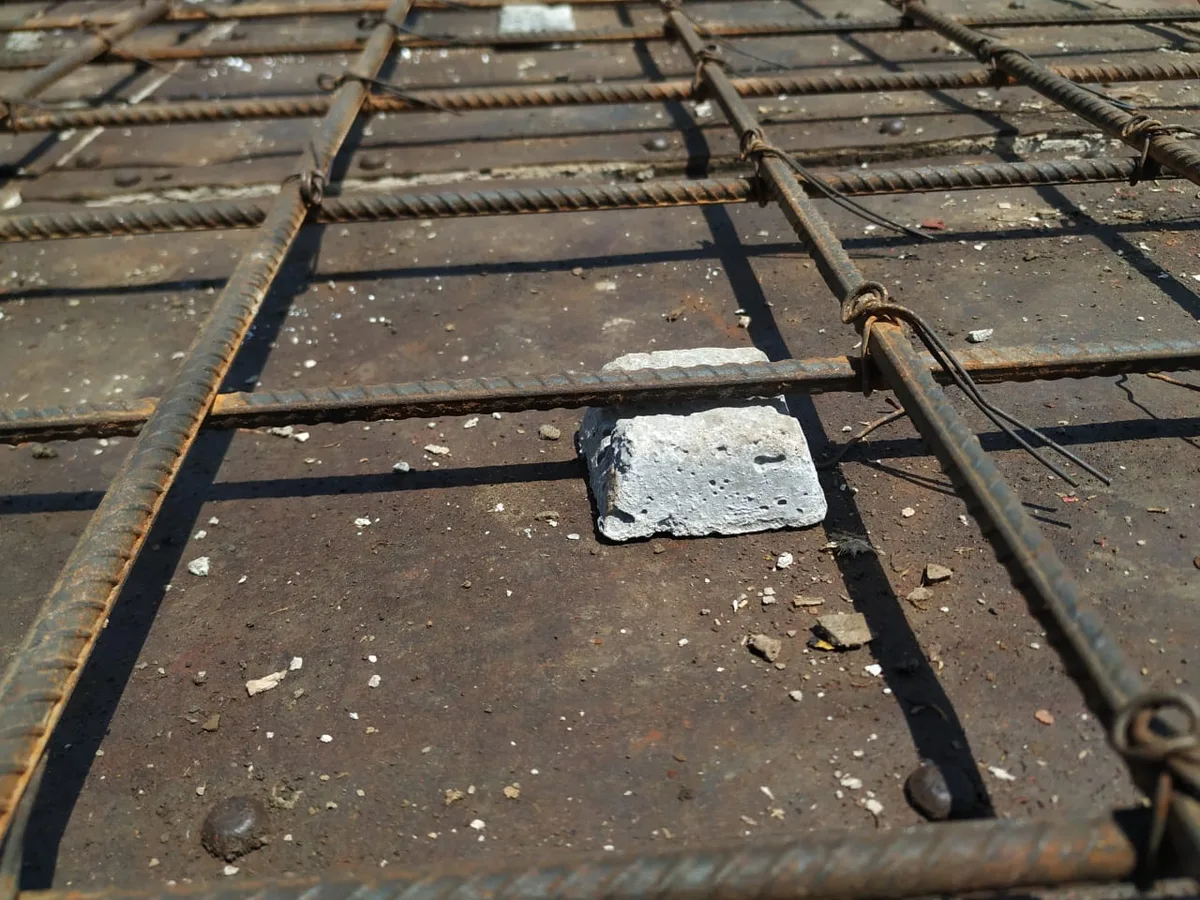
The cover block is the spacer between the reinforcement matrix and the outer surface of the concrete. Cover blocks are used to maintain a specified distance between the TMT rebar and the shuttering.
While constructing an RCC structure it is very necessary to provide cover; if the proper cover is not provided, the reinforcement will come in contact with weather and corrosion will occur. Rebar will not be fireproof if the cover block is not provided. Corrosion and fire will cause premature failure of the structure and the structure will collapse.
Thus the use of cover block gives higher life to the structure at a very low cost.

Sizes of cover block
The cover block has different sizes as per the application of the cover block. Sizes of the cover block may vary from 20 mm to 70 mm. The size of the cover block is decided according to the weather condition or the exposure of the structure.
The most common cover to main reinforcement is shown in the table below.
At least 2 cover blocks should be used per square meter for the slab, 1 cover block should be there every 1 meter distance for a column on all four sides of the column. At least 1 cover block should be there after every 1 meter for the beam at the formwork contacted area.
| Member | Cover to main reinforcement |
|---|---|
| Column (D > 12 mm) | 40 mm |
| Column (D = 12 mm) | 25 mm |
| Beam | 25 mm |
| Slab | 15 mm (not less than the bar diameter) |
| Footing | 50 mm |
| Sunshade (Chajja) | 25 mm |
Cover block types
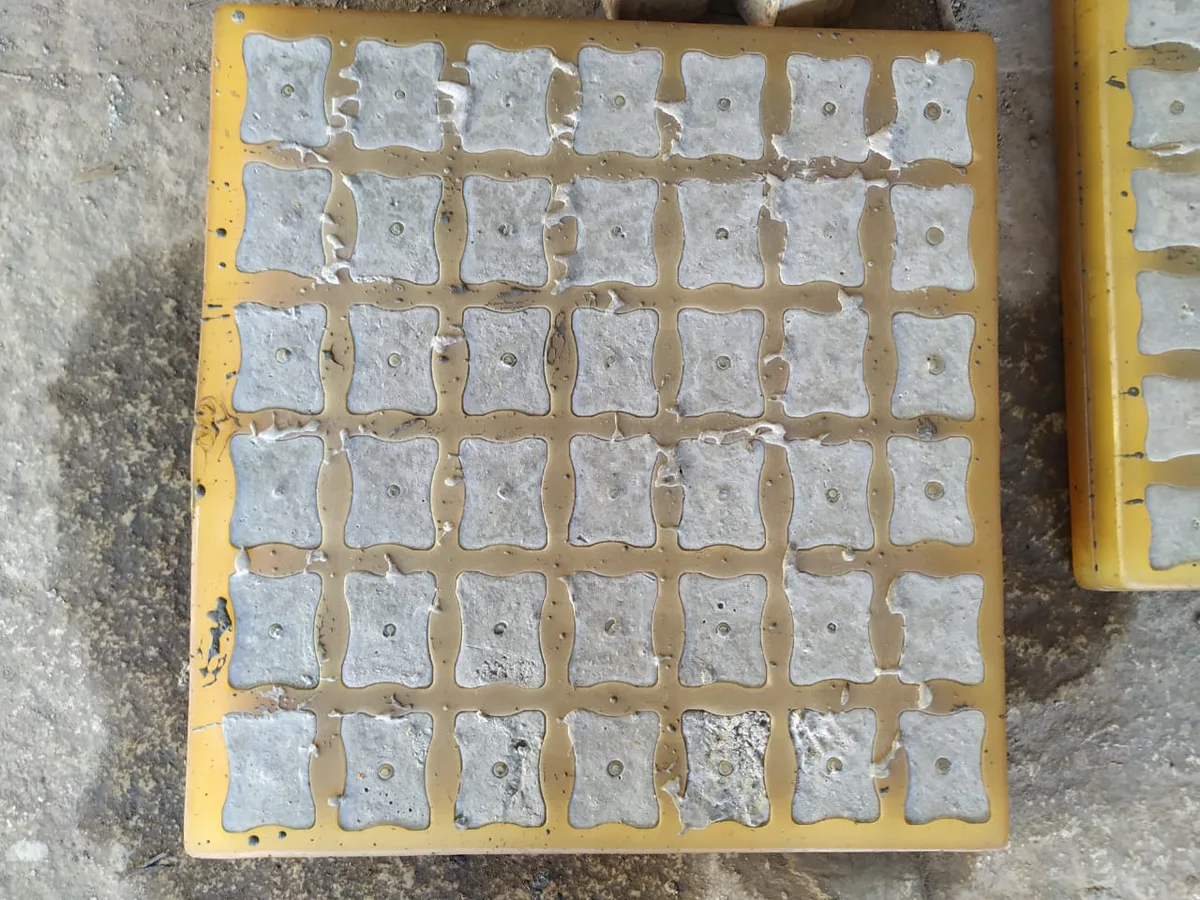
Cover blocks are most commonly made of concrete which can be easily produced at a site at a very low cost. Different types of molds are available in the market for the production of the cover block.
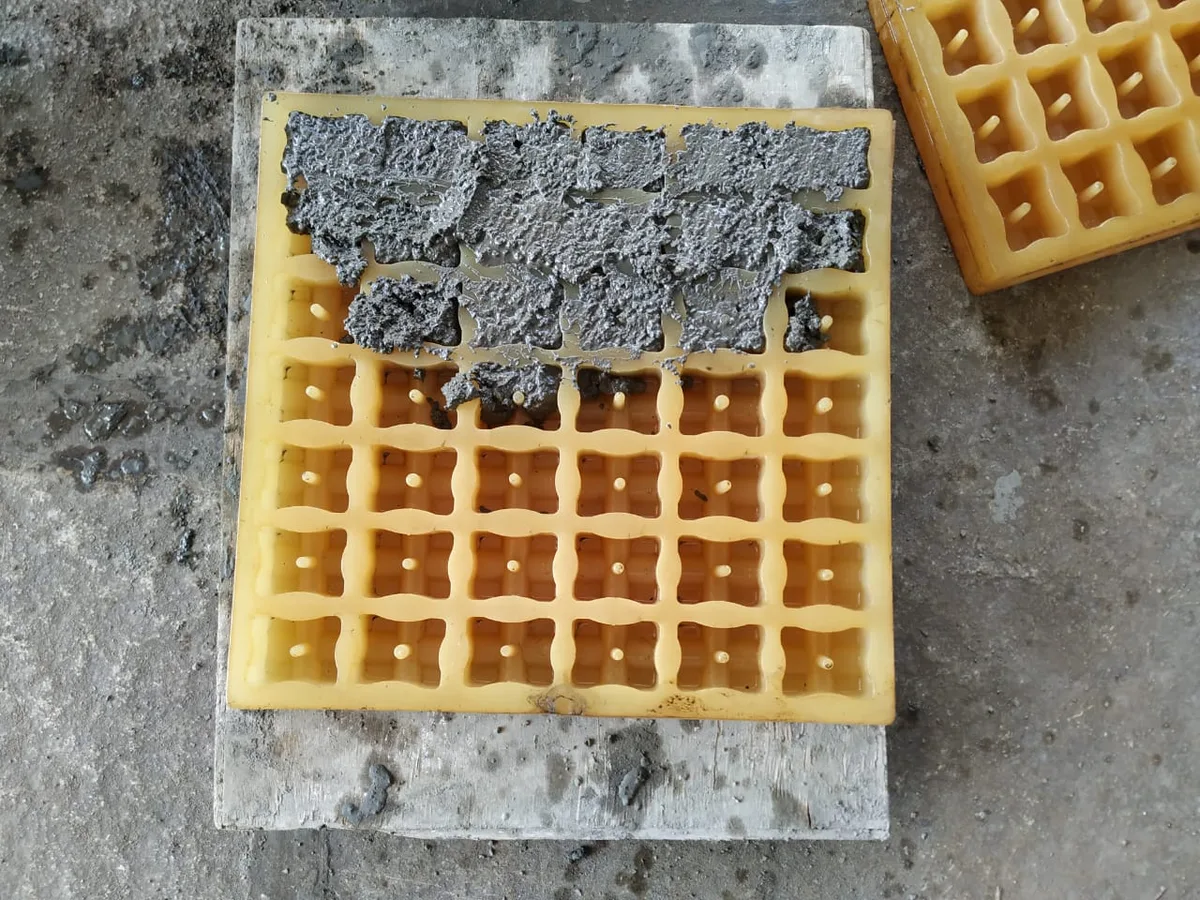
A concrete cover block can be made with basic mortar at the site. The concrete cover block needs at least 21 days of curing to achieve sufficient strength. The concrete cover block should be kept in the curing tank after 24 hours of casting.
The cover block is also available in plastic or PVC material, which can be purchased ready-made from the market. PVC cover block is very light in weight and very easy to use. The cost of the PVC cover block is low. If labor or sufficient time for curing is not available, then concrete cover blocks can be replaced with PVC cover blocks.