History
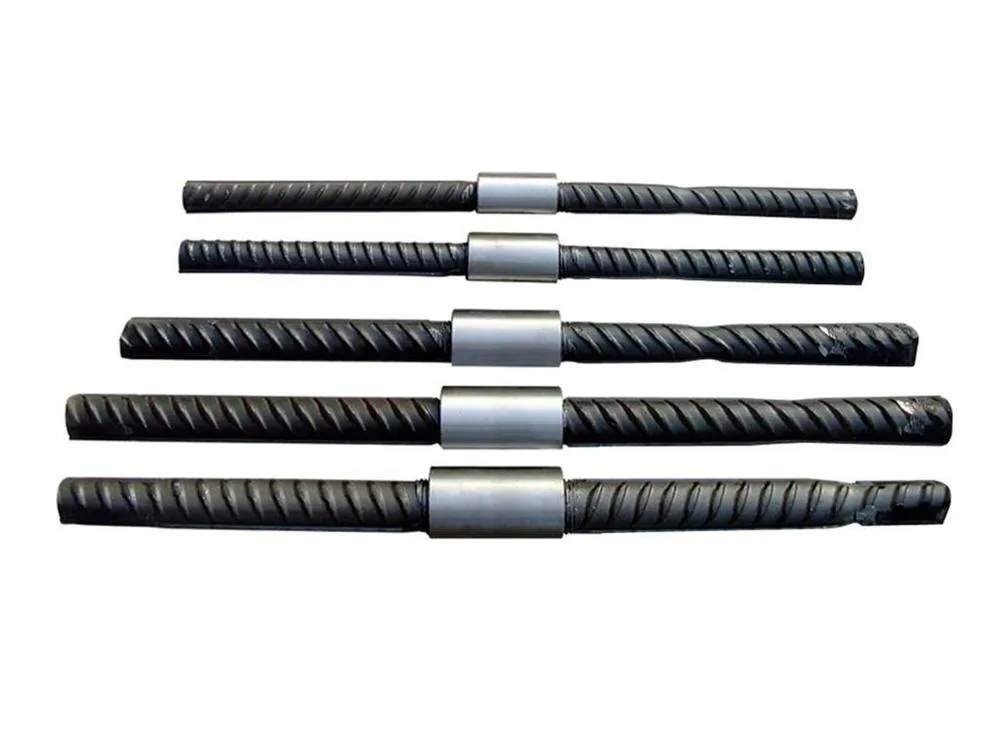
We have been using steel as a reinforcement material for more than 100 years. Since then steel has been the most important and one of the most expensive items in construction. Therefore over these years, many innovations have been made in the use and application of steel. Optimum use of steel is preferred to avoid excessive construction costs. As we know steel rates are very high and very volatile, so avoiding wastage of steel is very necessary for construction. Lap splicing is a traditional and very common method for connecting reinforcement rods. Lap splicing is considered a cheap and fast method for the connection of rods. But there are many problems with lap splicing: it actually takes more time than a coupler, excessive steel is used for the connection and it needs more manpower.
A coupler is one of the inventions which is an advanced, safe & cheap method which can be used in steel reinforcement. The coupler can replace the conventional methods of splicing or lapping of steel.

What is a coupler?
A coupler is a mechanical rebar connection that is used to join lengths of rebar together. The coupler is also known as a mechanical splice.
The mechanical rebar coupler avoids laps in reinforcement and hence reduces the use of reinforcement steel. Ease of use and safer work make the coupler a great replacement for conventional lapping.
Benefits of coupler
- Ease of use:
The coupler system is very easy to use, one end of the rebar is fixed and another end of the rebar can be rotated and threaded. That’s why it becomes very easy to use and application becomes very simple.
- Reduces reinforcement used in the connection of rebar:
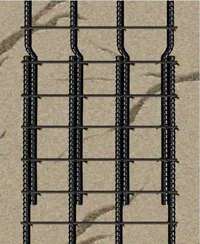
Conventional lapping needs an extra length of rebar steel to lap the rebar. Generally for vertical lapping length of lap is considered between 45d and 55d & for the horizontal connection, it is considered as 55d to 65d where “d” stands for the diameter of the connection bar. This extra length of the bar can be reduced by using couplers.
- Quick to install:
Conventional lapping needs much more time as it needs to bend the bar according to the diameter and then it has to connect with binding wire or with welding method. This time can be saved by using a coupler as it just needs to fix the bar with threads.
- Higher tensile strength than conventional lapping:
As the steel is perfectly connected in a coupler, it gives higher tensile strength than the lap splicing. The conventional rebar method gives a slicing effect in rebar hence reduces tensile strength.
- Provides continuity and structural integrity:
Rebar couplers achieve an ideal balance of steel and concrete by eliminating unnecessary rebar while providing greater structural integrity.
- Removes hidden costs:
Hidden costs like labor requirements to bend the bar and connecting the bar, extra binding material like wire or welding can be reduced in the use of couplers.
Types of coupler
- Tapered Thread
The Tapered Thread coupler is designed to suit the majority of applications that require the joining of reinforcing bars. The ends of the rebar are cut square and a tapered thread is cut onto the bar to suit the tapered thread coupler.
The sleeve is tightened onto the threaded bar end using a calibrated torque wrench.
- Bartec Plus
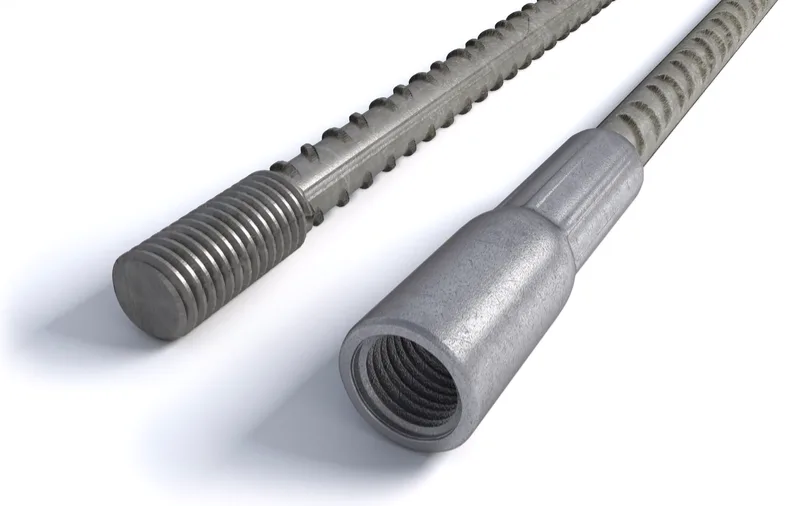
Bartec Plus couplers provide a full-strength joint and are the smallest couplers in the Ancon range. They are particularly appropriate for applications where fatigue is an issue. The ends of the bars are cut square and marginally enlarged. A parallel thread is then rolled onto the ends to suit the threaded sleeve. The coupler is installed using a pipe or chain wrench. Calibrated torque wrenches are not required.