
Objective and Significance
This test method is used for evaluating ductility. Unless otherwise specified it shall be permissible to age bend test specimen. The time-temperature cycle employed must be such that the effects of previous processing will not be materially changed. It may be accomplished by aging at room temperature 24 to 48h.

Rebend test reference in the app
Steel BBS Calculator A1 Pro has rebar test references — tensile, rebend, bend, bond and fatigue — each with a generated report.
Try the app
Aim
Aim of this test is to determine Rebending capacity of the reinforcing Bar.
Apparatus
Bar Bending Machine: This Machine is used to bend the bar.
Procedure
- First bend the bar to an included angle of 135°.
- Keep it in boiling water at 100 °C for 30 minutes.
- Then cool it down for some time.
- After cooling, bend it back to an included angle of 157.5°.
- The rebar should not show any rupture or cracks visible to a person with normal or corrected vision.
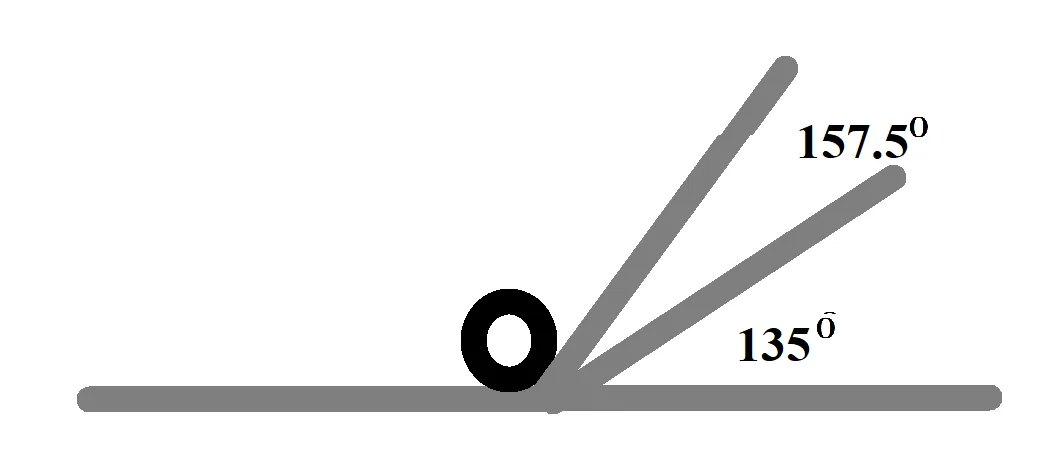
- While applying load on the sample bar it is important to ensure that the load is uniform, smooth and vertically downwards. Impulse load should be avoided.
- After getting satisfactory results, you can approve the steel for further usage in actual construction.
Result
If the Rebending around the pin could be done without cracking on the outside of the bent portion the result is ‘satisfactory’. If cracking was found on the outside of the bent portion, it would be considered that the rod did not meet the bending requirements and the result is ‘unsatisfactory’.