
Objective and Significance
This test does not require a special lab set-up. This test is generally performed on site; it is one of the easy ways to check the quality of the steel. If the rebar weight is more than the desired weight, the bar has a larger cross-section than nominal, and if it is less, the bar has a smaller cross-section than nominal.
Aim
To check quality of rebar by calculating weight of the bar with respect to length.
Apparatus
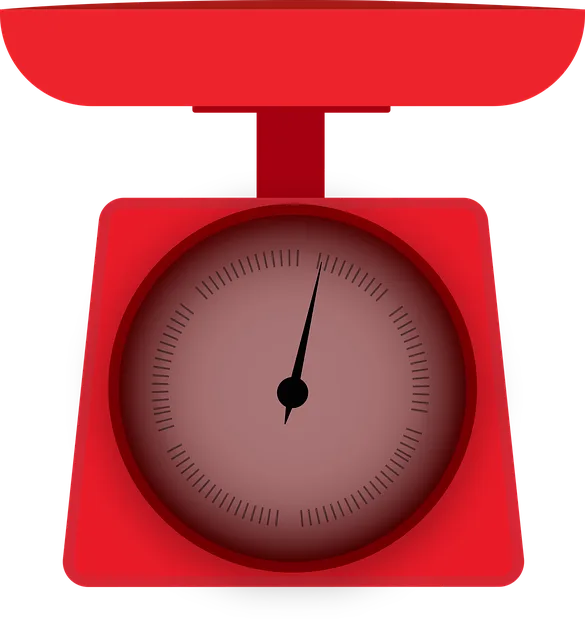
Weight scale: to check weight of the bar.
Measurement Tape: To measure length of the bar.
Bar Cutting Machine: To cut the bar in desired length
Procedure
- Cut the samples of 1 meter in length, minimum 5 number of bars from different bundles.
- Measure the length of cut bars by measuring it on at least 4 sides and average out the length of bar.
- Weigh the bar on the weight scale and record it in register.
- Calculate the actual average weight per meter of bar for at least 5 samples.
- Compare the result of it with theoretical weight.
- Check the variation in weight is within limit or not.
Formula
Weight of the steel per 1 meter (kg) = D² ÷ 162.2Where D is Diameter of the Bar in mm
| Diameter of bars in millimeter | Weight of bars in kilogram |
|---|---|
| 6 mm | 0.22 kg/meter |
| 10 mm | 0.62 kg/meter |
| 12 mm | 0.89 kg/meter |
| 16 mm | 1.58 kg/meter |
| 20 mm | 2.466 kg/meter |
| 25 mm | 3.853 kg/meter |

Rebar weights and test references
Steel BBS Calculator A1 Pro gives bar weights and cutting lengths from shape codes, with rebar size charts and test references.
Try the app