
Objective and Significance
Impact value of the aggregates is useful to understand the strength of the aggregates against impact. If aggregates are used in road construction, they are subjected to impact due to heavy road traffic. This causes crushing of the aggregates and hence aggregates impact value is important to find out. The aggregate impact value is a relative measure of resistance to sudden impact or shock, which may differ from its resistance to gradually applied compressive load.

Aim
To determine Aggregate Impact Value Using Impact Testing Machine.
Apparatus
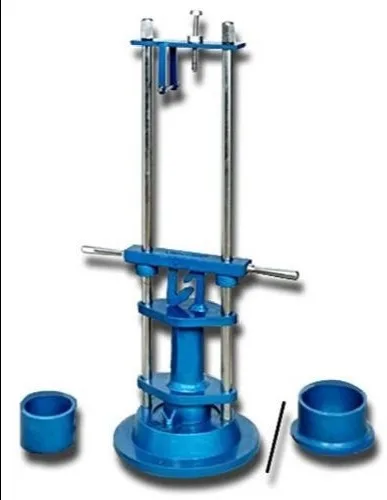
Impact Testing Machine: Weight of hammer is 13.5 to 14.0 kg and Height of Fall is 380±5 mm
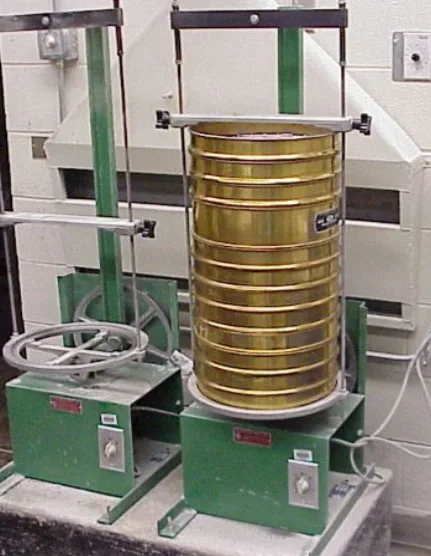
Sieves: required are 12.5, 10.0 and 2.36 mm
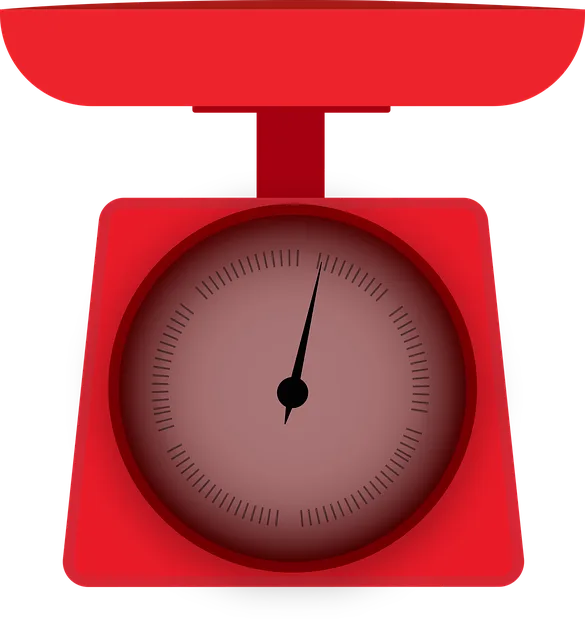
Weight Scale: To measure Weight of the sample.
Procedure
PREPARATION OF SAMPLE
i) The test sample should conform to the following grading:
– Passing through 12.5mm IS Sieve 100%
– Retention on 10mm IS Sieve 100%
ii) The sample should be oven-dried for 4hrs. at a temperature of 100 to 110 Degree C and cooled.
iii) The measure should be filled about one-third full with the prepared aggregates and tamped with 25 strokes of the tamping rod. A further similar quantity of aggregates should be added and a further tamping of 25 strokes given. The measure should finally be filled to overflow, tamped 25 times and the surplus aggregates struck off, using a tamping rod as a straight edge. The net weight of the aggregates in the measure should be determined to the nearest gram (Weight ‘A’).
PROCEDURE
i) The cup of the impact testing machine should be fixed firmly in position on the base of the machine and the whole of the test sample placed in it and compacted by 25 strokes of the tamping rod.
ii) The hammer should be raised to 380mm above the upper surface of the aggregates in the cup and allowed to fall freely onto the aggregates. The test sample should be subjected to a total of 15 such blows, each being delivered at an interval of not less than one second.
iii) The sample should be removed and sieved through a 2.36mm IS Sieve. The fraction passing through should be weighed (Weight ‘B’). The fraction retained on the sieve should also be weighed (Weight ‘C’) and if the total weight (B+C) is less than the initial weight (A) by more than one gram, the result should be discarded and a fresh test done.
Result and Calculations
Formula:
Aggregate Impact Value = (B/A) X 100
where A = weight in g of oven-dried sample,
B = weight in g of fraction passing through 2.36 mm Sieve