
Objective and Significance
Abrasion Test is the measure of aggregate toughness and abrasion resistance such as crushing, degradation and disintegration. When aggregates are used in the construction of roads, they get worn out due to traffic. Tires of vehicles and small soil particles on road create abrasion to the road. This causes wearing out of tire as well as roads. This is why aggregates must withstand abrasion load for long-life roads. The aggregate abrasion test helps us to find out the abrasion resistance capacity of the aggregates.

Aim
Determine abrasion value of aggregates using Los Angeles Abrasion Machine.
Apparatus
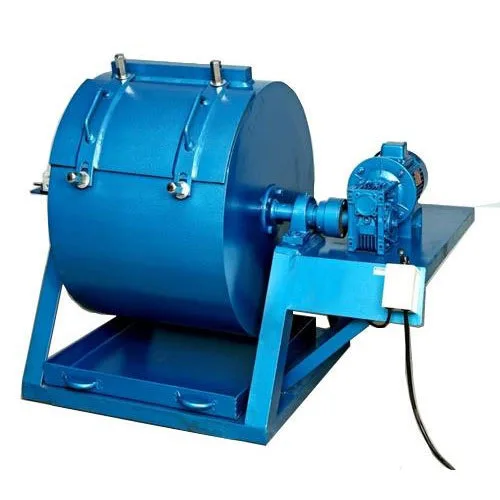
Los Angeles abrasion Machine: Inside Length = 50 cm and Inside Diameter = 70 cm
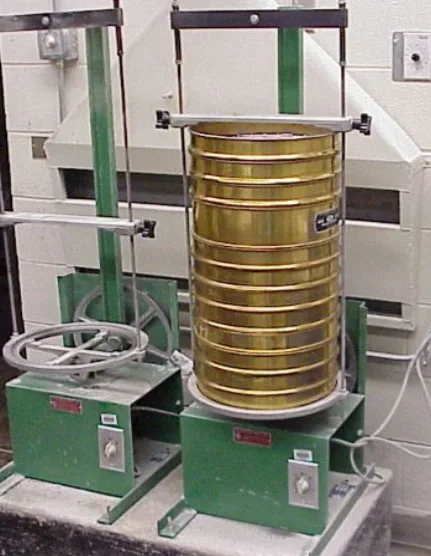
Sieves: Sieves required are 80, 63, 50, 40, 25, 20, 12.5, 10, 6.3, 4.75, 2.36 and 1.70 mm
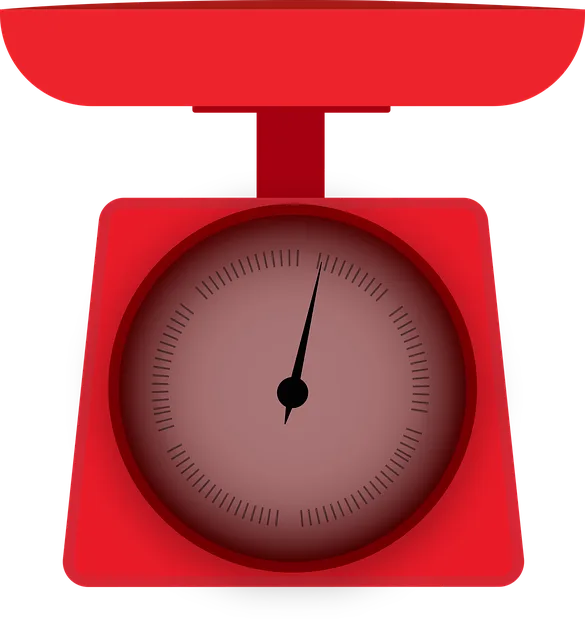
Weigh Scale: To measure weight of sample
Abrasive Charges: Diameter = 48 mm and Weight = 390 to 445 g each; 12 spheres for gradings A, E, F and G, 11 for grading B, 8 for grading C and 6 for grading D

Procedure
Gradation of Aggregates: The test sample should consist of clean aggregates which have been dried in an oven at 105 to 110 Degree C to a substantially constant weight and should conform to one of the gradings shown in the table below.
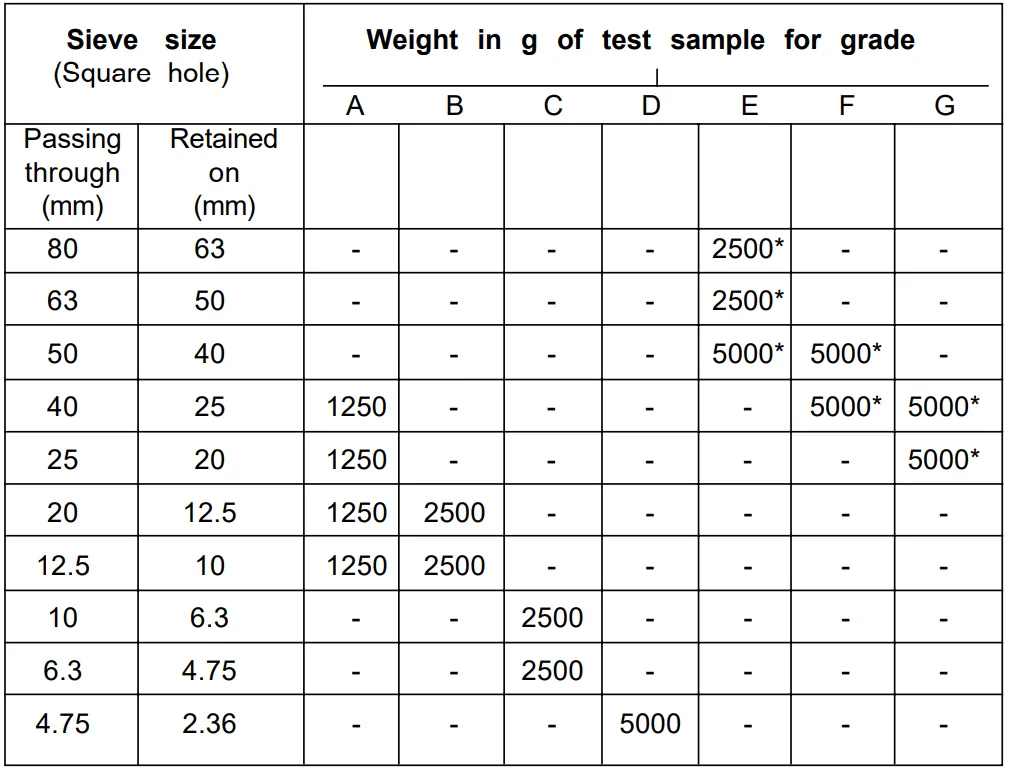
The test sample and the abrasive charge should be placed in the Los Angeles abrasion testing machine and the machine rotated at a speed of 30 to 33 revolutions/minute for 500 revolutions (gradings A, B, C and D) or 1000 revolutions (gradings E, F and G). At the completion of the test, the material should be discharged and sieved through 1.70mm Sieves.
Result and Calculations
Formula:
Aggregate Abrasion Value = ((A-B)/A) X 100
where,
A = weight in gm of oven-dried sample.
B = weight in gm of fraction retained on 1.70 mm Sieves after washing and oven-dried up to constant weight.